
Full Bathroom Overhauls Done With Precision
Bathroom Renovations in Nacogdoches for aging tile, moisture damage, and complete room redesigns
Dan Matlock Tile & Repair handles complete bathroom renovations in Nacogdoches, covering everything from floor replacement to accent walls, wainscoting, and custom vanity surrounds. Homeowners dealing with cracked grout, delaminating tile, or surfaces that have never held up to East Texas humidity often discover the damage extends beyond what cleaning or caulking can address. When that point arrives, a full-room approach addresses each surface systematically rather than patching problems one at a time.
East Texas bathrooms face persistent moisture exposure that accelerates grout failure and causes standard wall materials to soften behind the surface layer. Renovation work here requires moisture-resistant substrates—cement backer board or waterproofing membranes—installed before any tile is set. Material selection also matters: porcelain and ceramic tile rated for wet areas behave differently than stone, and the choice affects long-term maintenance, sealing schedules, and how the surface responds to temperature shifts that come with humid summers and occasional winter cold snaps.
Request a walkthrough of your bathroom to identify which surfaces require full replacement versus targeted repair before renovation planning begins.
What a Complete Bathroom Renovation Actually Covers
A full bathroom renovation involves removing existing tile and substrate, inspecting the underlying wall and floor structure for water infiltration or soft spots, and rebuilding surfaces from the backer layer outward. Skipping that inspection step is where bathroom remodels fail within a few years—moisture that reached the subfloor or wall framing will continue degrading materials regardless of how well new tile is set on top of it. Each surface category—floors, shower walls, wainscoting, and vanity surrounds—requires its own layout plan to account for tile size, grout joint alignment, and how corners and transitions are handled.
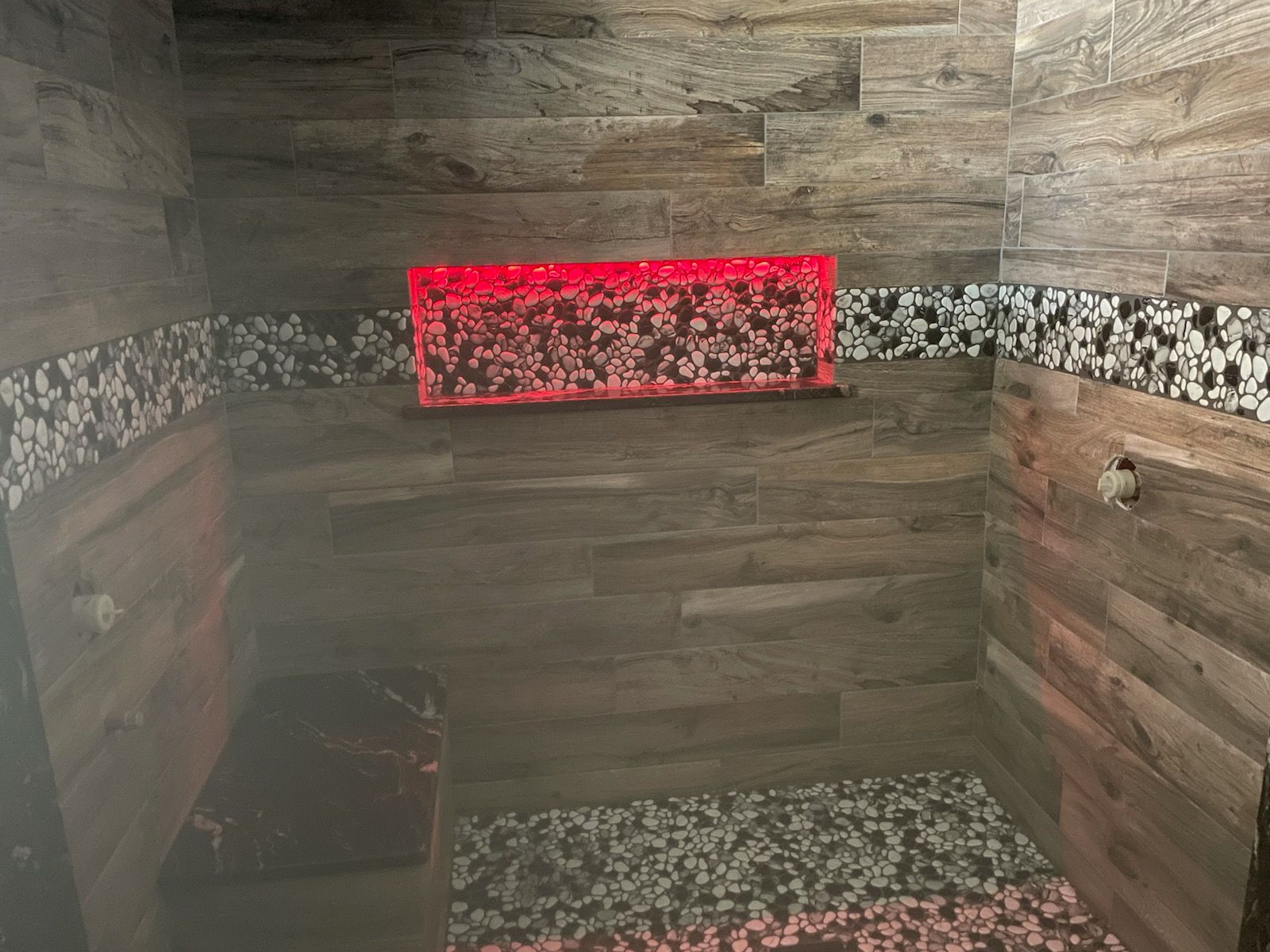
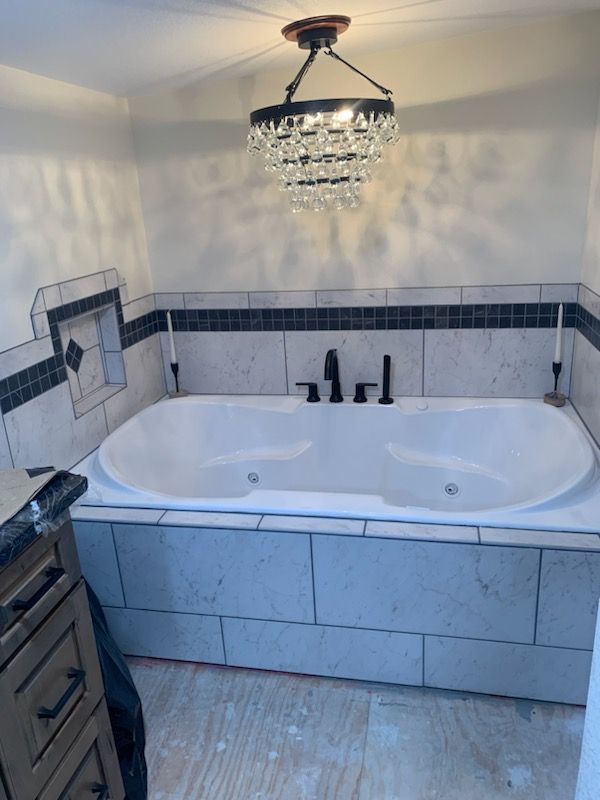
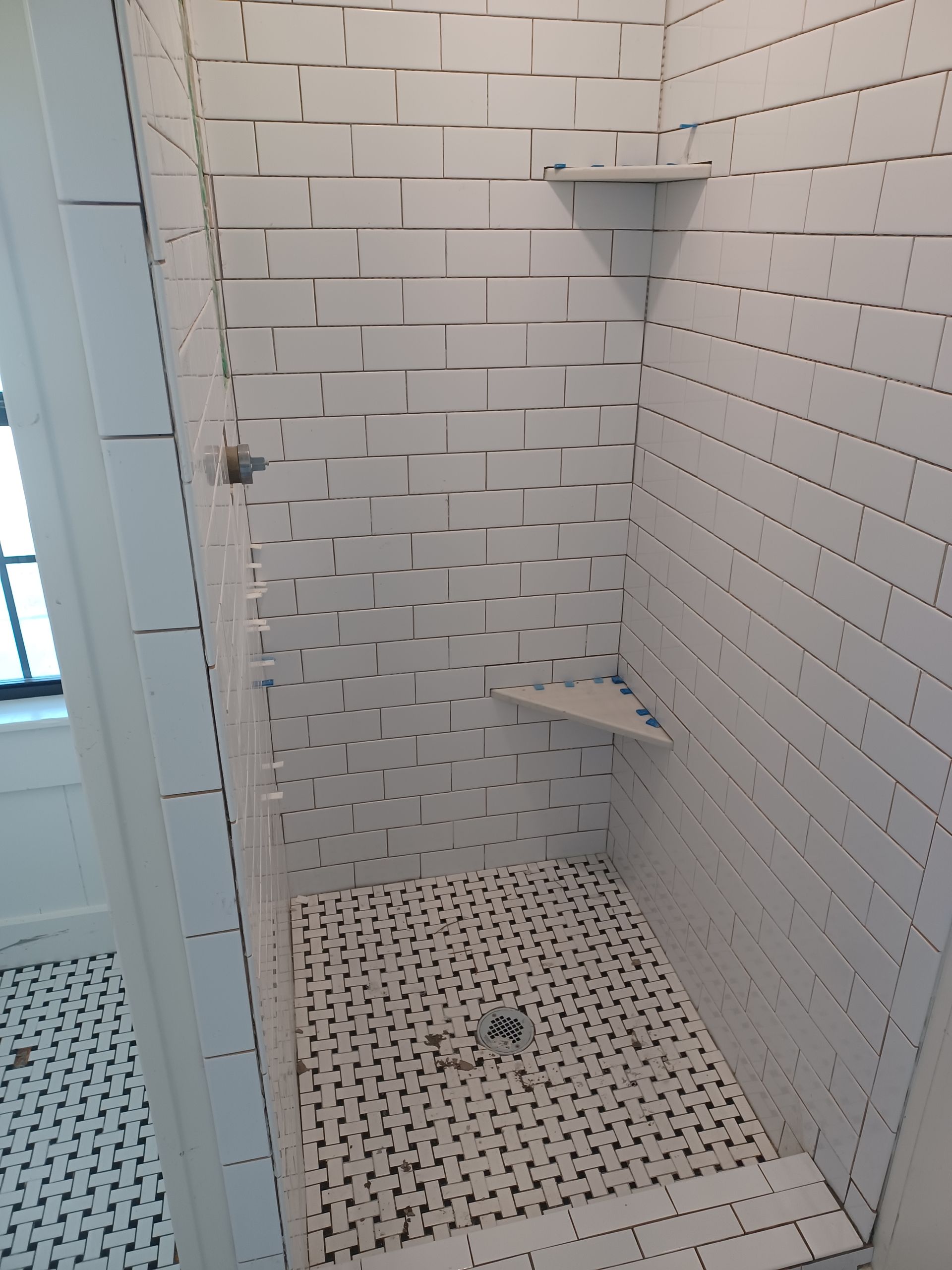
After renovation completes, the visible difference includes consistent grout lines, flat tile planes without lippage, and transitions between surfaces that align at the intended design points. Accent walls and wainscoting installed with coordinated field tile create a cohesive look where materials appear intentional rather than assembled from separate decisions. Surfaces sealed correctly after installation resist staining and moisture absorption at a rate noticeably different from older, unsealed grout.
Design coordination matters especially when combining materials—for example, a matte porcelain floor paired with a glossy ceramic wall tile requires grout color and joint sizing decisions that affect how each surface reads visually. Dan Matlock Tile & Repair maps out those intersections before installation starts, which prevents the misalignment issues that appear when layout decisions are made surface by surface without accounting for the full room.
Common Questions About Bathroom Renovation Work
These questions come up consistently when homeowners are evaluating the scope and process of a full bathroom renovation.
- What does the demolition process involve before new tile is installed? Existing tile, backer board, and any compromised substrate material are removed down to the wall framing or subfloor deck, giving a clear view of any structural or moisture issues before new materials go in.
- How do moisture conditions in Nacogdoches affect material selection for showers? High ambient humidity means grout and tile adhesive need adequate cure time, and waterproofing membrane application at shower pan seams and corners is standard practice rather than optional.
- What is wainscoting and why does it matter in a bathroom? Wainscoting refers to tile installed partway up the wall—typically three to four feet—creating a water-resistant surface in splash zones while allowing different materials above for visual contrast.
- When should a homeowner choose porcelain over ceramic for bathroom floors? Porcelain has a lower absorption rate than ceramic, which makes it more resistant to water penetration in high-use bathrooms where grout maintenance gets delayed.
- Why does vanity surround tile require different layout planning than shower walls? Vanity surrounds are typically viewed head-on at close range, so tile centering relative to the mirror and fixture locations is more visually critical than on a shower wall where sightlines vary.
Dan Matlock Tile & Repair works through each stage of bathroom renovation with attention to what lies beneath the surface as much as what's visible after completion—contact the office to discuss the specifics of your bathroom layout and material options.