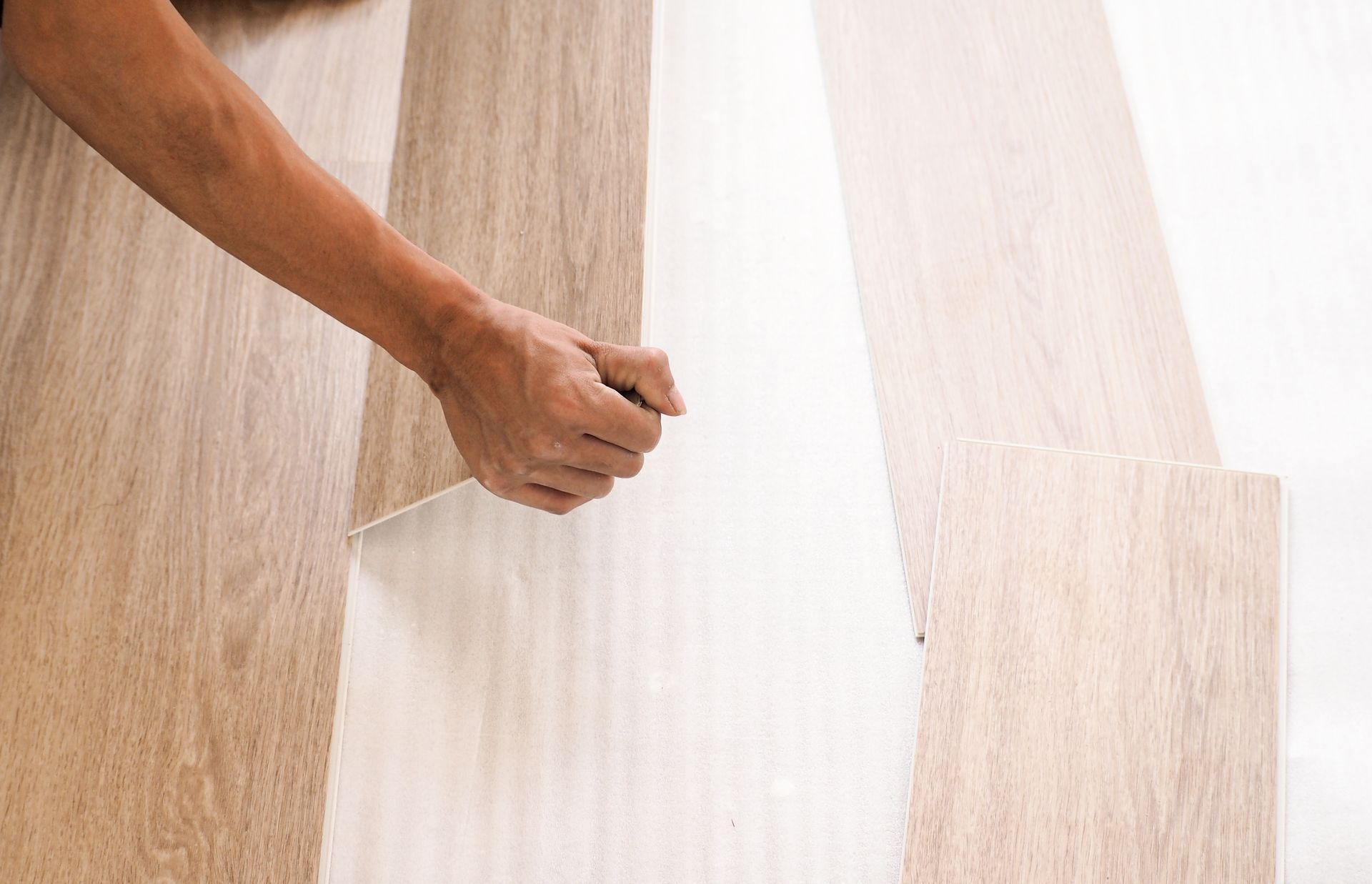

Flooring Built for Constant Commercial Foot Traffic
Commercial Tile & Flooring Services in Nacogdoches for high-traffic surfaces, scheduled downtime constraints, and compliance requirements
Commercial flooring failures don't announce themselves gradually—they show up as cracked tile in a customer-facing entry, delaminating grout in a restroom corridor, or uneven surfaces that create liability exposure in high-traffic zones. Dan Matlock Tile & Repair installs and repairs commercial tile and flooring in Nacogdoches using materials rated for heavy load cycles and foot traffic volumes that residential-grade products aren't designed to handle. Facilities that stay operational during normal business hours require a contractor who can plan installation around shift schedules, phased sections, or off-hours access without requiring full closure.
Material selection for commercial applications follows different criteria than residential work. Porcelain tile specified for commercial use carries a PEI wear rating of IV or V, which reflects abrasion resistance under sustained foot traffic rather than the lighter use residential ratings account for. Coefficient of friction ratings also factor into flooring decisions in commercial spaces—entry areas, restrooms, and kitchen surfaces in food service environments are subject to slip-resistance requirements that affect both material choice and grout joint width.
Connect with Dan Matlock Tile & Repair to discuss phased installation scheduling around your facility's operating hours and traffic patterns..
Why Commercial Tile Standards Differ From Residential Work
Commercial tile installation involves load calculations and substrate preparation standards that residential work rarely requires. Large-format tile commonly used in commercial lobbies and retail spaces—often 24x24 inches or larger—requires a flatter subfloor tolerance than smaller tile formats, typically no more than 1/8 inch variation over a 10-foot span. Achieving that flatness in a concrete slab that has settled unevenly involves grinding high spots or applying self-leveling underlayment, both of which add time to the preparation phase but directly determine whether large-format tile will crack or develop hollow spots after installation.
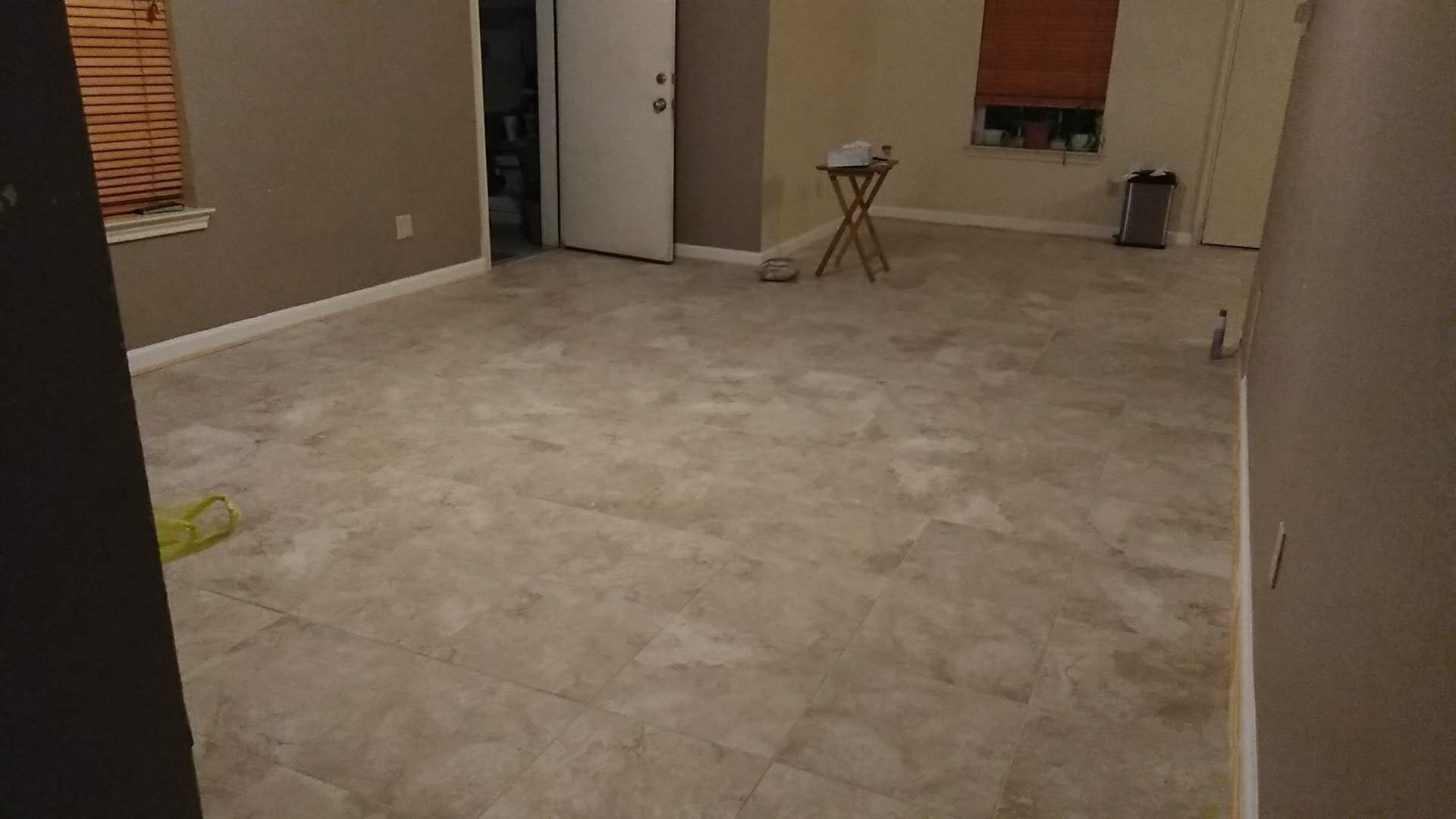
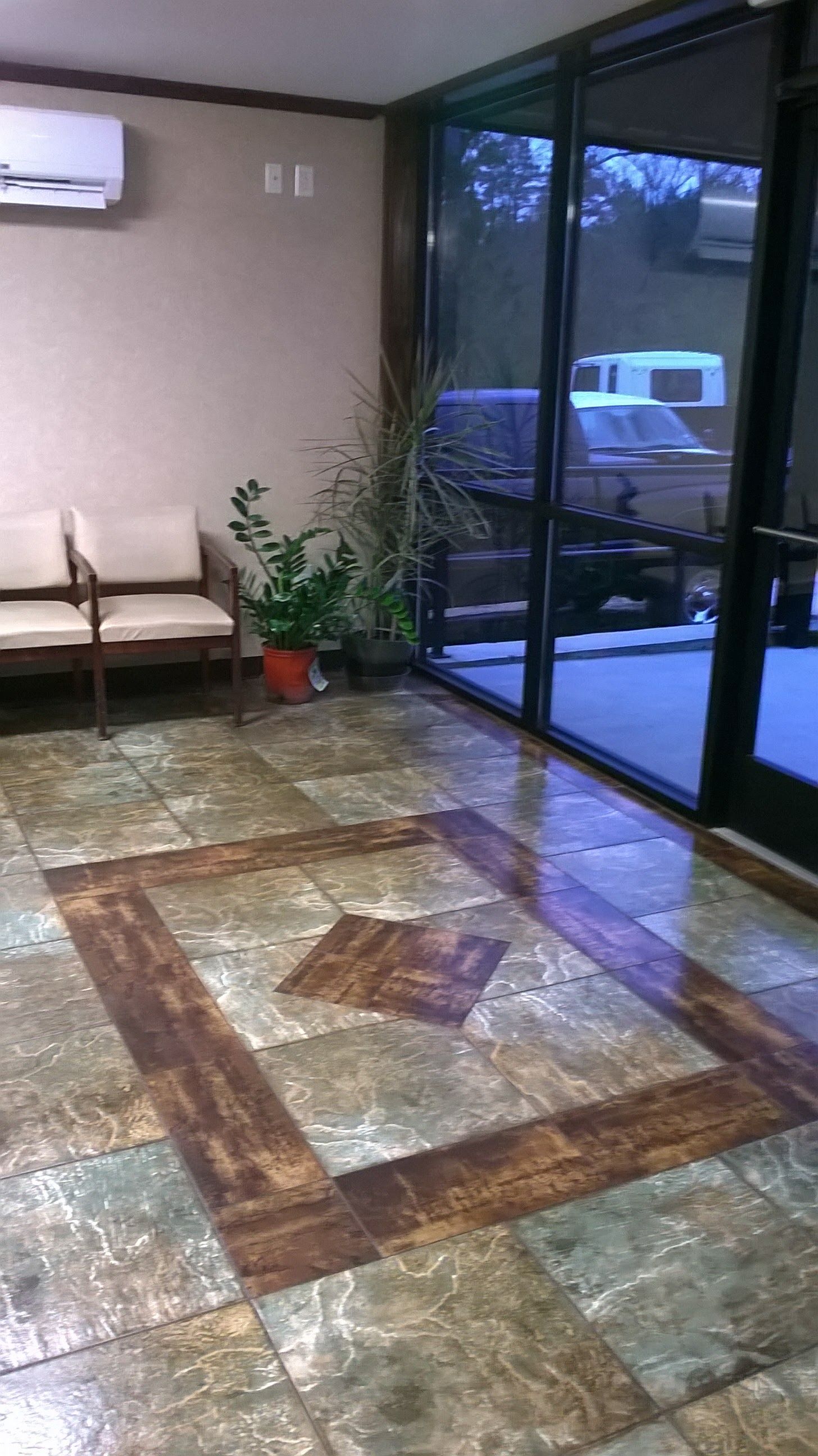
After commercial flooring installation is complete, the surface presents a flat, consistent plane with grout joints that meet specified width and depth without variation across the full field. Transition strips between flooring zones are flush with both surfaces, eliminating trip hazards at material changes. Areas completed in phases show no visible seam or grout color difference when matched correctly—a quality indicator that the same grout batch and mix ratio was used throughout.
Commercial projects also involve coordination around fixed elements that residential work rarely includes—floor drains, floor-mounted equipment bases, expansion joints in concrete slabs, and ADA-compliant surface requirements at transitions and ramps. Expansion joints in commercial concrete cannot be covered with tile without bridging material; a tile installation that covers them directly will crack at those locations within months of opening as the slab continues its seasonal movement..
Questions Before Starting a Commercial Flooring Project
Commercial clients typically want specifics about scheduling, material durability, and what distinguishes commercial-grade installation from standard residential practice.
- What PEI rating should commercial tile meet for a retail or restaurant environment? PEI IV covers most commercial environments with moderate to heavy foot traffic, while PEI V is specified for the highest-use surfaces like building entries and food service kitchen floors.
- How is installation scheduled to minimize disruption to business operations? Work is typically planned in sections with defined cure windows between phases, allowing portions of the facility to remain operational while adjacent areas are completed and curing.
- Why do large-format tiles require stricter subfloor flatness tolerances? Tiles larger than 15 inches on any side bridge surface variations differently than small tiles, meaning any low spot in the slab creates a hollow behind the tile that eventually leads to cracking under load.
- What slip-resistance standard applies to commercial flooring in Nacogdoches food service facilities? The Americans with Disabilities Act and most commercial building codes reference a dynamic coefficient of friction of 0.60 or higher for wet surface areas, which affects both tile specification and grout joint design.
- When does grout selection affect long-term maintenance costs in commercial spaces? Epoxy grout in high-soil areas like restrooms and food prep zones eliminates the need for routine sealing and resists staining from cleaning chemicals that break down standard cement grout over time.
Dan Matlock Tile & Repair approaches commercial flooring projects with scheduling flexibility and material specifications suited to the actual demands of each facility—reach out to review the scope, timeline, and phasing options for your location.