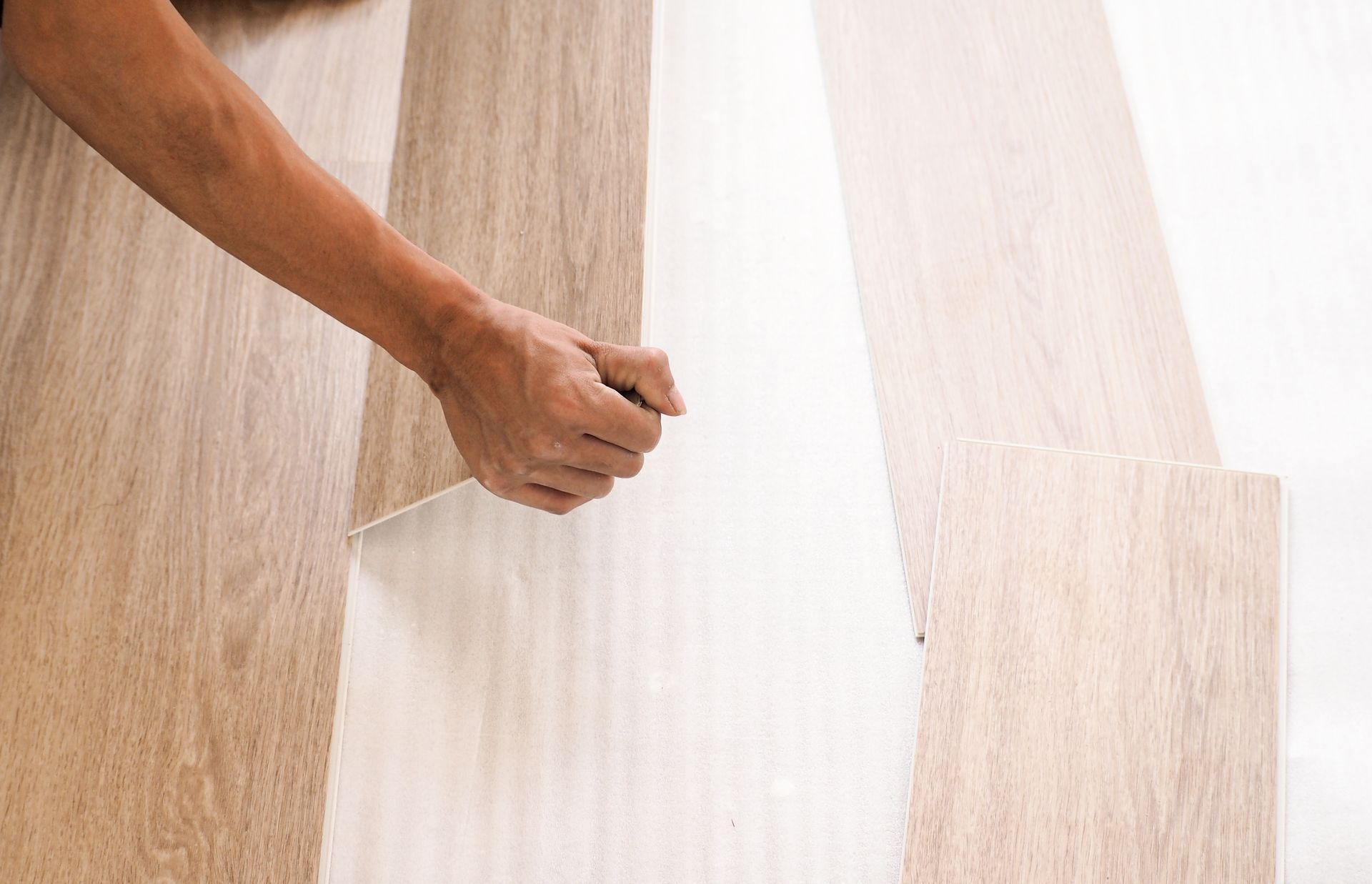

Surfaces Built for Outdoor Exposure and Use
Outdoor Tile & Patio Flooring Solutions in Nacogdoches for cracked pavers, slippery surfaces, and weathered patio decking
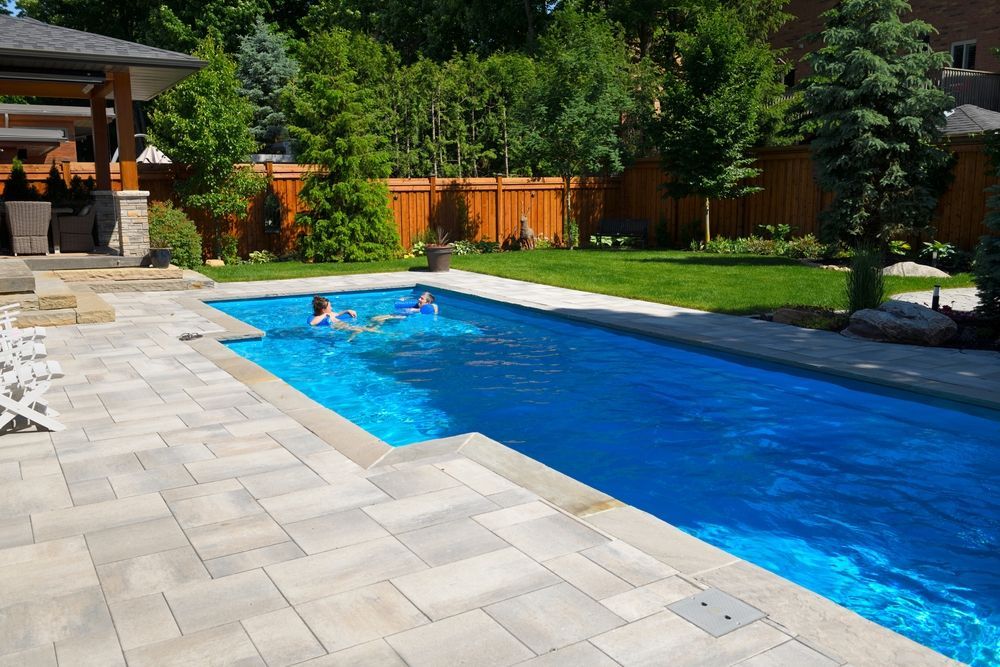
East Texas outdoor surfaces face a specific combination of stressors that eliminates standard indoor tile as a viable option: sustained heat, UV exposure, driving summer rain, and occasional hard freezes that cause improperly rated tile to crack from the inside out. Dan Matlock Tile & Repair installs outdoor tile and patio flooring in Nacogdoches using materials specified for exterior freeze-thaw exposure and rated for the slip-resistance levels required on wet surfaces. Homeowners with existing pavers that have shifted, cracked, or developed a slick biofilm layer after rain events are dealing with a safety and structural issue that surface cleaning alone doesn't resolve.
Freeze-thaw cycling—even the moderate version East Texas sees during winter cold snaps—is the primary cause of tile failure in outdoor applications when the wrong material is used. Interior-grade ceramic tile has a water absorption rate too high for exterior use: moisture enters the tile body, expands when temperatures drop, and fractures the tile from within over repeated cycles. Exterior-rated porcelain with an absorption rate below 0.5 percent is the standard specification for patio surfaces in this region, and the same absorption standard applies to the thinset used to set it.
Arrange a site evaluation to assess your current patio surface condition and discuss material options suitable for your specific outdoor layout.
What Outdoor Tile Installation Prevents Long-Term
Outdoor tile installation begins with evaluating the substrate—whether concrete slab, existing pavers, or a deck framing system—because the movement characteristics of that base determine what setting method and joint material will hold up over time. Concrete slabs that have developed cracks need those cracks addressed with crack isolation membrane before tile is installed over them; setting tile directly over an active crack transfers that movement to the tile face and grout joints, producing a replica of the original crack within one or two seasonal cycles. Expansion joints in outdoor tile fields are not optional—properly sized joints filled with flexible sealant rather than rigid grout allow the tile assembly to move with the substrate without fracturing.
Once outdoor tile is correctly installed and grouted, the surface drains water away from structures rather than pooling it, maintains traction when wet due to the surface texture of exterior-rated porcelain, and resists the moss and algae growth that accumulates on unsealed or porous surfaces. The difference between a properly sloped patio surface and one installed flat is most visible after a heavy rain—water that stands on an outdoor tile surface indicates either insufficient slope or a drainage obstruction that the tile layout didn't account for.
Dan Matlock Tile & Repair evaluates drainage direction and slope requirements as part of patio layout planning, since the tile pattern and the functional slope requirement sometimes conflict and must be resolved before installation begins rather than after. Large-format outdoor tiles create fewer grout joints—which is visually appealing—but require more precise slope management because there are fewer joints to absorb minor variations in the substrate plane..
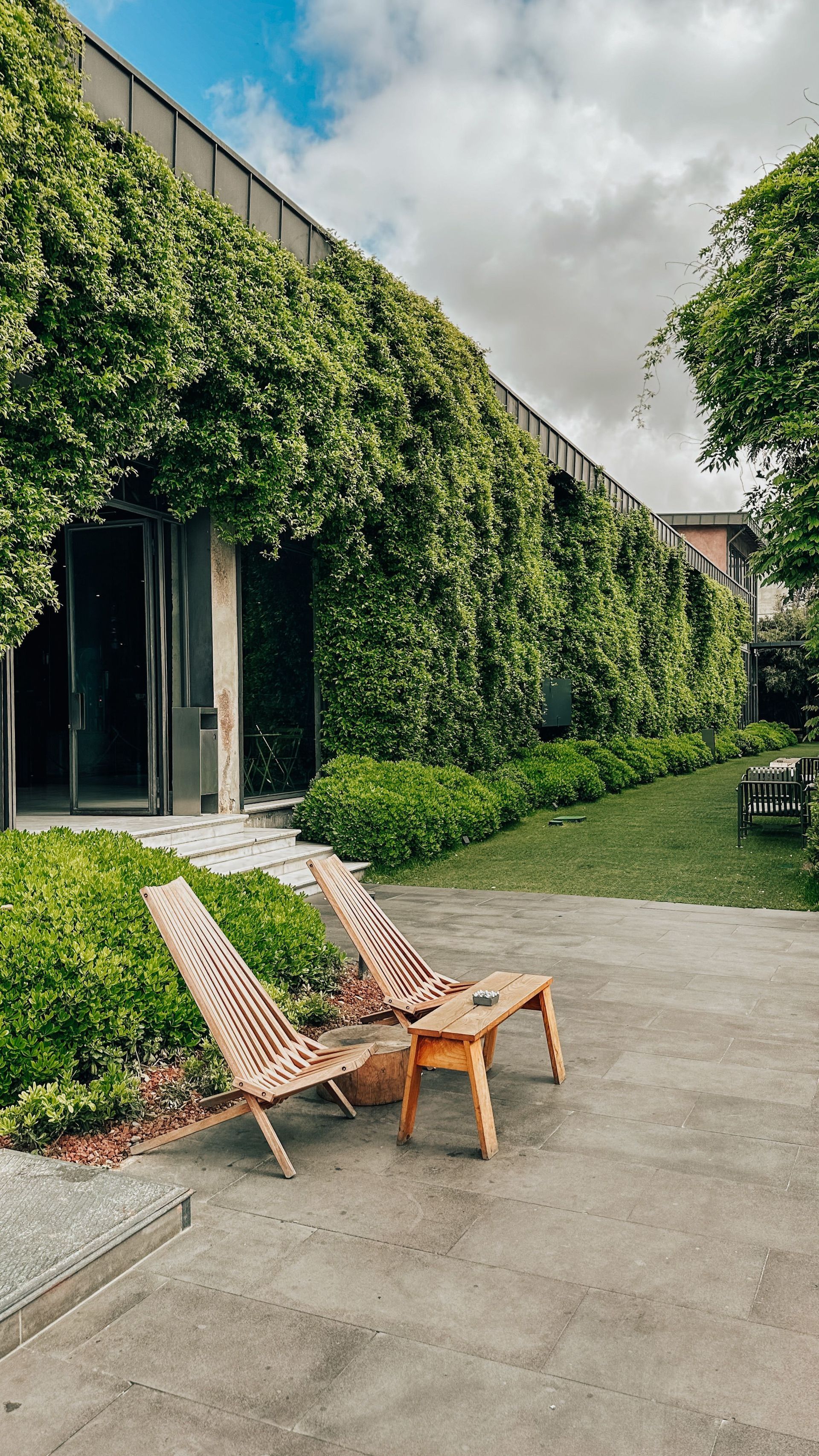
What Property Owners Usually Ask About Outdoor Tile
The questions below reflect what comes up most often when property owners are planning a patio installation or replacing a surface that has already failed.
- What slip-resistance rating should outdoor patio tile meet? Exterior tile should meet a minimum dynamic coefficient of friction of 0.60 for wet surfaces—most exterior-rated porcelain carries a surface texture that meets or exceeds this, and the specification is listed on the tile product data sheet.
- How does sun exposure in Nacogdoches affect tile color selection for patios? Extended UV exposure fades some tile finishes over time—through-body porcelain, where the color runs through the full thickness of the tile, maintains its appearance better than surface-glazed tile that loses color depth as the glaze weathers.
- Why is flexible grout sealant used in outdoor tile joints instead of standard grout throughout? Rigid cement grout in exterior joints cracks when the tile assembly moves seasonally—flexible joint sealant absorbs that movement without fracturing, preventing water infiltration at the joint line.
- When is a crack isolation membrane necessary under outdoor tile? Any concrete slab with existing cracks, or one that shows evidence of prior movement, requires membrane application before tile to prevent those cracks from telegraphing through the new surface.
- What maintenance does an outdoor porcelain tile patio require after installation? Exterior porcelain with low absorption requires minimal sealing, but grout joints should be inspected annually and flexible sealant at expansion joints replaced when it shows signs of cracking or separation.
Dan Matlock Tile & Repair plans outdoor tile projects around drainage requirements, substrate conditions, and material specifications that hold up through East Texas weather cycles—schedule a patio assessment to review your space and identify the right approach for your surface and layout goals.