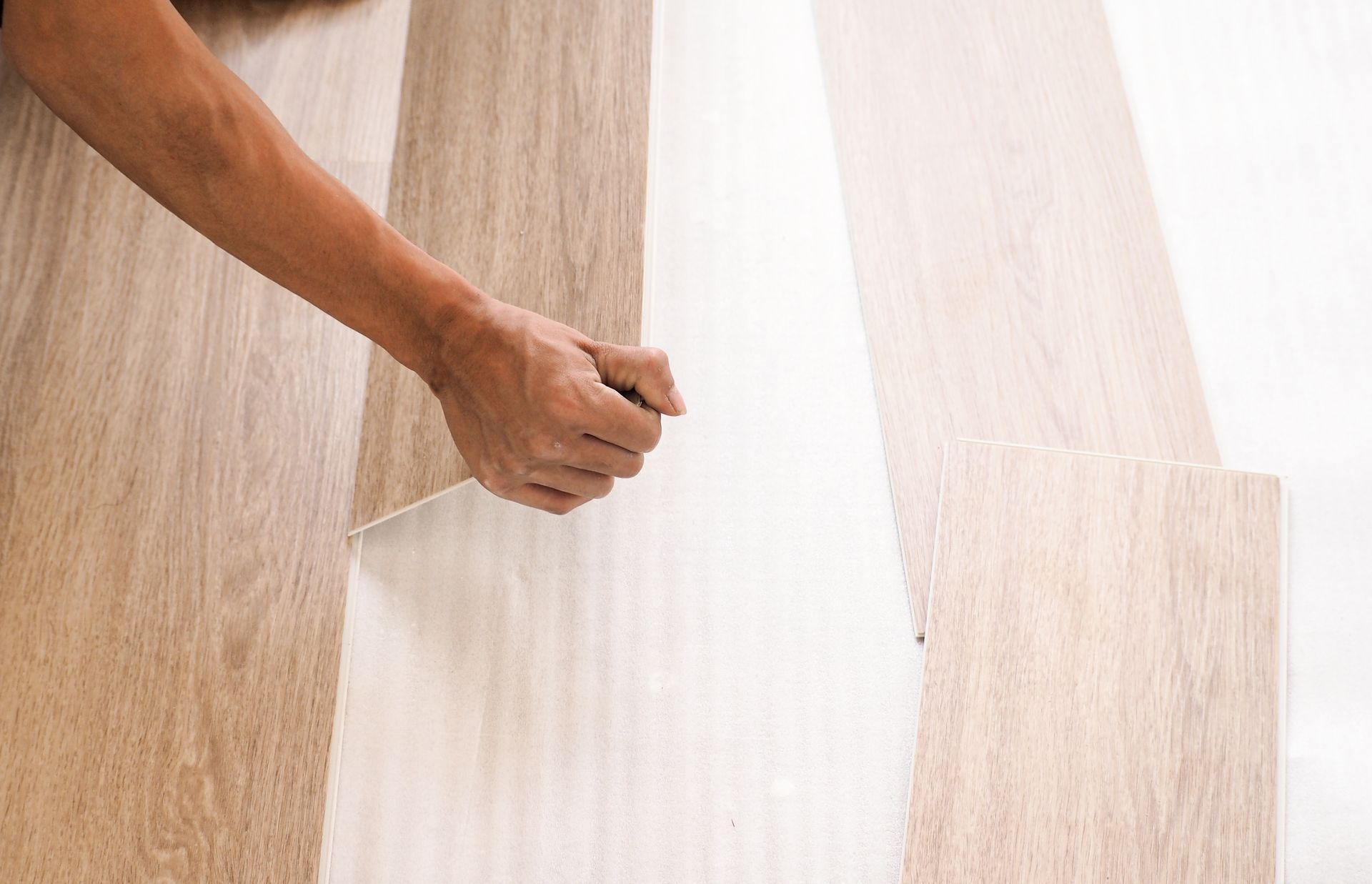

Rusk TX Tile Installation for East Texas Clay Soil Conditions
Does Your Tile Account for How Cherokee County Soil Shifts?
When dealing with tile installation in Rusk, Cherokee County's clay-heavy soil creates movement patterns that affect how tile bonds and performs long-term. Clay soil expands noticeably when saturated during East Texas rainy seasons and contracts through dry summer months, placing cumulative stress on adhesive bonds and grout lines with every cycle. Installations that don't account for this movement begin developing cracks, loose tiles, and failing grout within just a few years of completion.
Dan Matlock Tile & Repair has worked throughout Cherokee County long enough to understand how local soil behavior influences installation decisions at every stage—from substrate assessment and surface preparation through expansion joint placement and final sealing. Our approach factors in seasonal moisture variation, slab flexibility, and the additional adhesive demands that humid East Texas summers create when temperature swings accelerate expansion and contraction cycles.
Every tile installation in Rusk begins with a thorough evaluation of existing surface conditions and ends with sealed, finished results engineered to flex rather than fracture through normal seasonal movement. Homeowners notice the difference: tile that stays flush with no hollow spots underfoot, grout lines that hold solid through multiple wet seasons, and surfaces that look as sharp and level five years after installation as they did on the first day.
How Tile Installation Adapts to Rusk's Climate and Soil
Adapting tile installation to Rusk's environment means selecting materials, adhesives, and layout techniques that account for both the soil movement beneath the slab and the humidity above it. Not every tile, mortar, or grout performs equally under East Texas conditions, and choosing incorrectly creates problems that no amount of installation skill can fully correct once the project is complete.
- Adhesive flexibility rating matters as much as bond strength when working over slabs sitting on shrink-swell Cherokee County clay
- Grout joint width directly determines how well thermal and moisture expansion is distributed without forcing individual tiles to absorb the full stress load
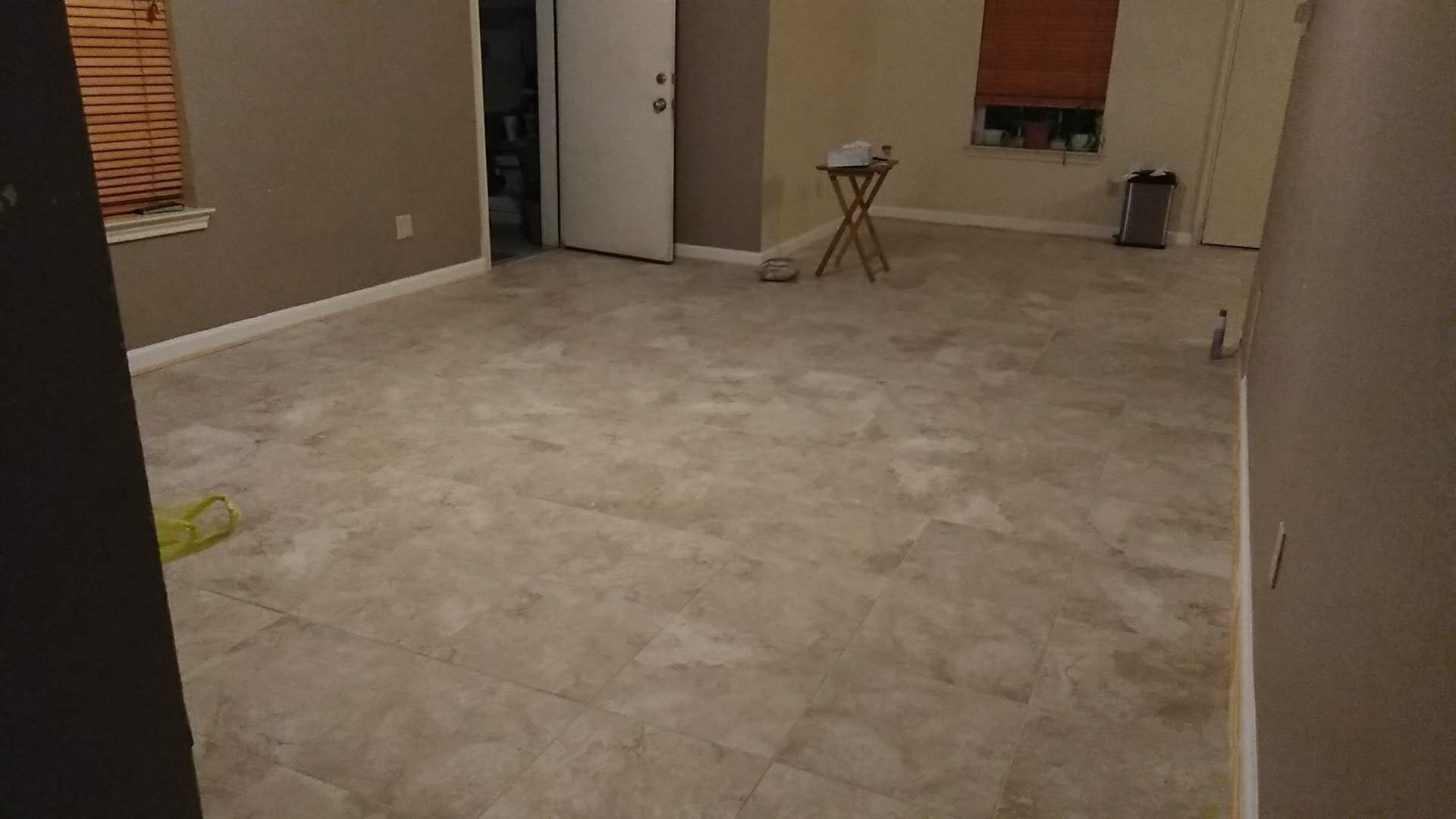
- Substrate flatness within 3/16 inch per 10-foot run determines whether large-format tile will rock underfoot or stay stable after the first East Texas seasonal cycle
- Concrete slab moisture vapor emission rate must be evaluated before selecting adhesive systems for any floor installation in the Rusk area
- Expansion joint placement at perimeter walls and mid-field breaks prevents stress concentration in high-traffic zones through multiple cycles of East Texas weather
Request a quote for tile installation in Rusk and work with a team that evaluates every one of these variables before a single tile goes down permanently.
Why Rusk Tile Problems Develop—and How to Prevent Them
Understanding what causes tile installations to fail in East Texas conditions is what separates preventive craftsmanship from reactive repair work. Cherokee County's specific combination of clay soil, seasonal humidity swings, and intense summer heat creates a predictable set of failure patterns that professional installation systematically addresses from the start.
- Hollow tile develops when adhesive loses contact with the slab during the first contraction cycle after installation in warm weather, often going unnoticed until grout begins cracking
- Grout failures appear at predictable intervals when expansion joints are skipped or placed too far apart for the tile size and total floor area involved
- Corner and perimeter tiles lift first because these locations experience the greatest movement stress and are most affected by the absence of proper expansion relief
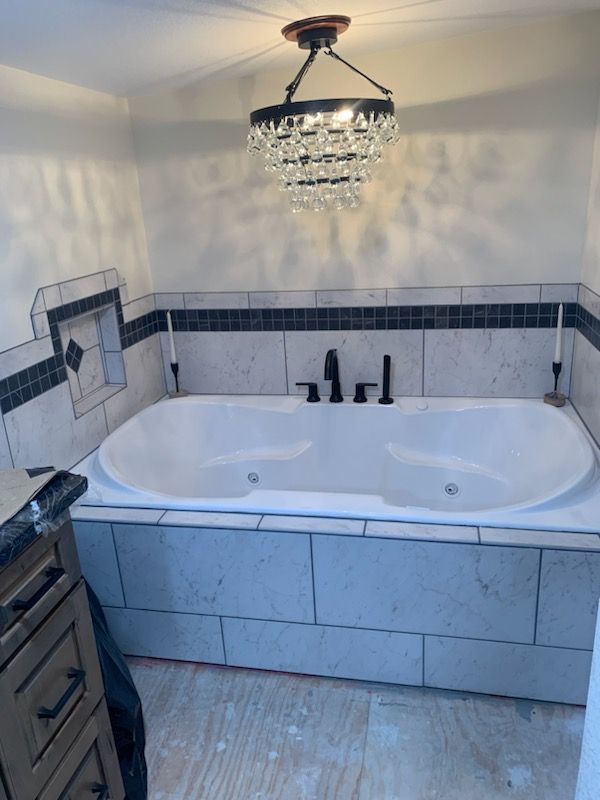
- Bathroom tile fails faster than kitchen tile in Rusk homes because daily moisture cycling compounds the seasonal movement stress already present in the slab
- Tile larger than 18 by 18 inches is especially vulnerable to cracking when installed without anti-fracture membrane over active or settling slabs in Cherokee County
Schedule your tile installation in Rusk and ensure your project starts with the planning and preparation that prevents every one of these failure patterns before a single tile is placed.