Tile and Flooring Work in Nacogdoches: What Sets a Great Installer Apart
In East Texas, choosing the right tile installer matters more than choosing the right tile. Nacogdoches homes range from pier-and-beam cottages with flexible subfloors to newer slab-foundation builds, and each type demands a different approach to substrate prep and thinset selection. A skilled installer reads those conditions before a single tile is set — and that diagnostic habit is what separates a lasting floor from one that cracks within a year.
The Real Test of a Tile Installer Is on the Jobsite, Not in a Showroom
Judging a contractor by their portfolio photos is tempting but incomplete. The real measure is how they handle what's under the tile — the subfloor inspection, the moisture barrier, and the mortar bed — none of which show up in finished photos.
Ask any prospective installer what they do when they pull up old flooring and find soft spots or high deflection in the subfloor. A confident answer, with specific steps, tells you they've seen it before and solved it. A vague answer tells you something different.
East Texas humidity also affects adhesive open time and grout cure rates. A local installer who accounts for that in their schedule and product selection is demonstrating real field knowledge, not just textbook training.
What Do Green Flags and Red Flags in a Contractor Proposal Actually Look Like?
A strong proposal itemizes labor separately, names the substrate prep steps, lists the thinset and grout products, and states a written warranty with specific terms. A weak one gives you a single number and no explanation of how they'll handle problems.
Green flags to look for:
- Substrate inspection mentioned before any tile work begins
- Moisture or leak protocol spelled out for wet areas
- Written labor warranty with a defined duration
- References from projects similar in scope — not just photos
- Expansion joints noted in the scope for large floor areas
Red flags that signal shortcuts ahead:
- Vague labor line items with no breakdown
- No mention of subfloor condition or correction
- No listed repair services — they install but won't come back
- Tile leveling systems and lippage tolerance not addressed
- No discussion of waterproofing membrane in wet areas
A contractor who structures their proposal this way has learned — usually through fixing failures — exactly what gets skipped when corners are cut. Those details in writing protect you before work starts.
Why Repair Capability Signals Better Installation Quality
A contractor who only installs has never had to diagnose a failure. One who also handles tile and flooring repair has faced cracked grout joints, tented tiles, and leaking shower pans — and traced each problem back to its cause. That diagnostic experience makes every new installation more reliable.
Repair work teaches what substrate movement does to tight grout joints. It shows what happens when a waterproofing membrane is too thin or improperly lapped. An installer who has corrected those failures won't repeat them on your floor.
When you're evaluating a contractor, ask directly: do you handle repairs, and what's the most common failure you see in other installers' work? The specificity of their answer tells you how deep their experience actually runs.
Does Fall Timing Matter for Flooring Projects in Nacogdoches?
Yes — interior temperature and humidity stability in fall means adhesives and grout cure more predictably than during peak summer heat. Post-summer is a reliable window for indoor tile and flooring work in East Texas, when conditions are more consistent and cure times are more manageable.
If you've been putting off a kitchen floor, bathroom renovation, or full interior retile, fall is a practical time to schedule. Materials behave more consistently in moderate temperatures, and the results hold up better through winter moisture swings than work done in extreme heat or cold.
What Should You Ask About Shower Tile and Leak Accountability?
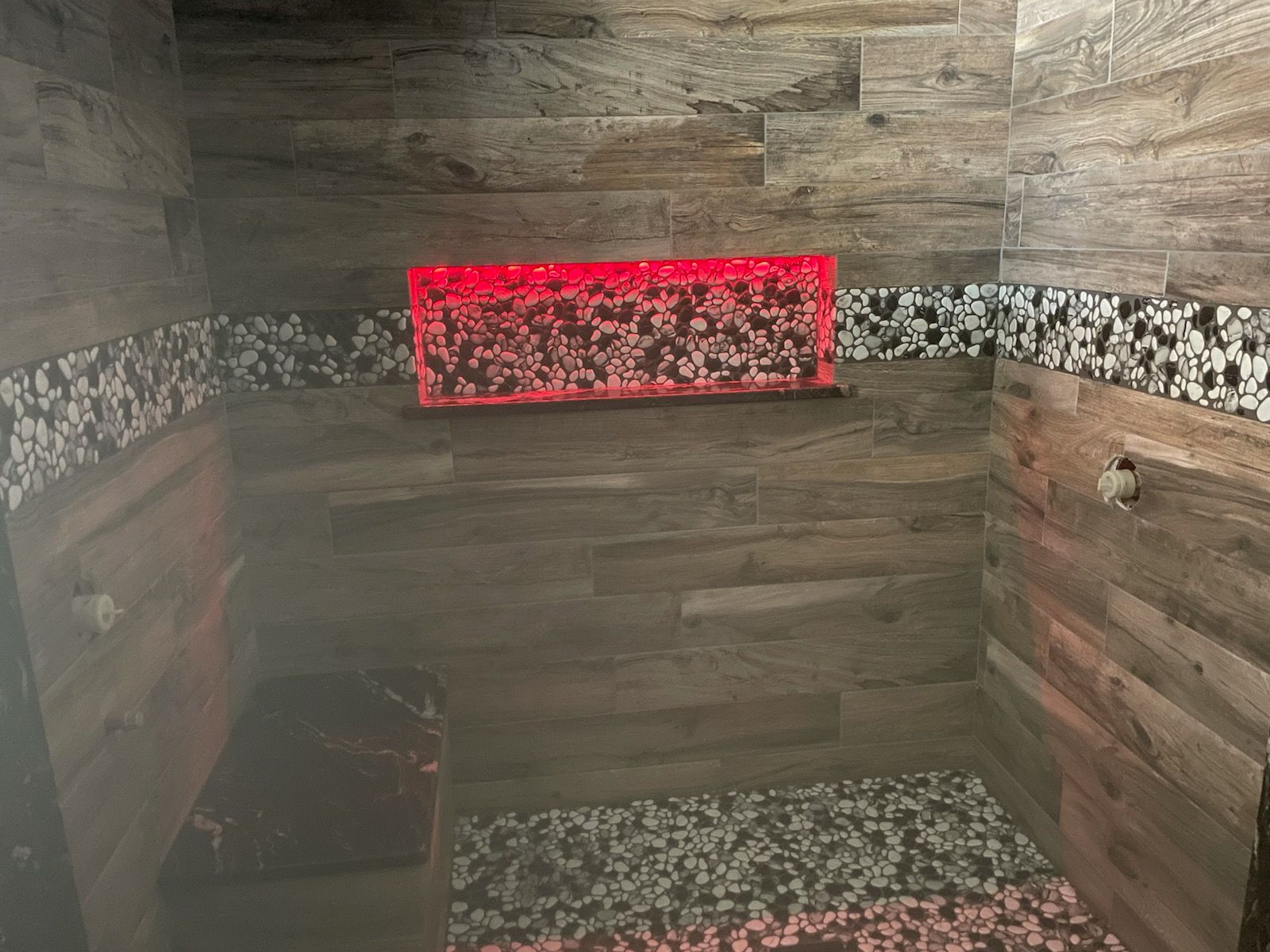
Shower tile installation carries the highest accountability burden in the trade because waterproofing failures are invisible for months and expensive when they finally appear. The waterproofing membrane, slope toward the drain, and grout joint spacing are all set before you can see a finished surface.
Ask any contractor you're considering whether they warranty their shower work for leaks specifically, and for how long. A contractor willing to be on record for shower tile installation and leak repair is confident in their waterproofing process — one who hedges on that question probably isn't.
The grout type, membrane overlap at corners, and pan slope all interact. Getting one wrong means water finds its way into the wall cavity slowly, causing damage that shows up long after the installer is gone. That's why this single question about leak warranty is one of the most efficient vetting tools available.
Questions to Ask Before You Sign Anything
Use this checklist before committing to any tile or flooring contractor:
- What does your subfloor inspection process look like, and how do you handle soft spots?
- What is your written warranty — labor only, or does it cover materials too?
- What waterproofing system do you use in wet areas, and how do you handle corners?
- Have you handled insurance claim tile work? What does your documentation process look like?
- Do you also perform repairs, or do you only install?
- What happens if a tile cracks or grout fails within 12 months?
- Can you provide references from projects with a similar scope — not just room size but substrate type?
A contractor who answers these questions with specifics has encountered each scenario. One who deflects or gives generic reassurances likely hasn't.
Putting It All Together: What Full-Service Work Looks Like
A contractor offering complete tile installation services, repair, shower waterproofing, and insurance claim documentation has faced and solved a wider range of problems than one who only installs in ideal conditions. That breadth of experience is itself a vetting signal — it means their process has been tested across failure modes, not just favorable ones.
When you hire based on service range and accountability signals — not just price — you're protecting the investment underneath the tile, not just the surface you can see.
Schedule a project assessment with Dan Matlock Tile & Repair to see how a contractor's full range of services translates directly into more reliable, accountable work on your home.